Ukiyo-e prints
Ukiyo-e, pictures of the floating world, is the Japanese woodblock tradition that flourished from the 17th to the 19th century. Each print was a team effort: an artist drew the design, a carver cut one block per colour, and a printer pressed them onto paper by hand. The result was affordable art for ordinary people, and a style of flat colour and strong composition that changed Western art.
-
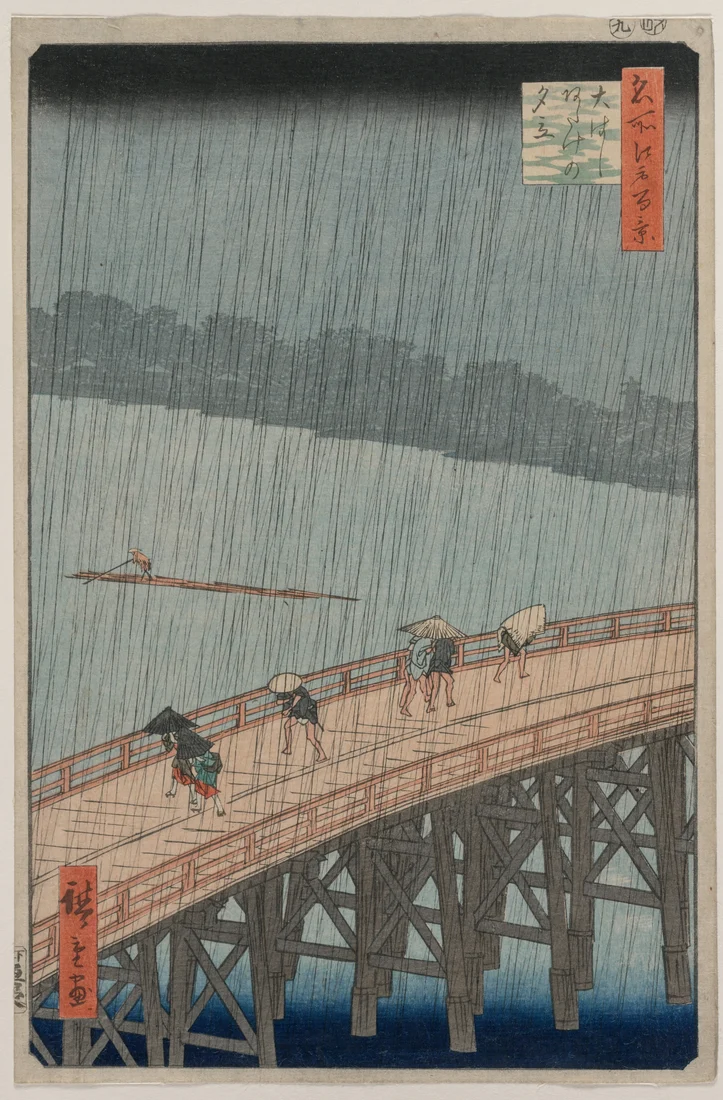 Utagawa Hiroshige
Sudden Shower over Shin-Ohashi Bridge and Atake, 1857
from 399 kr
-
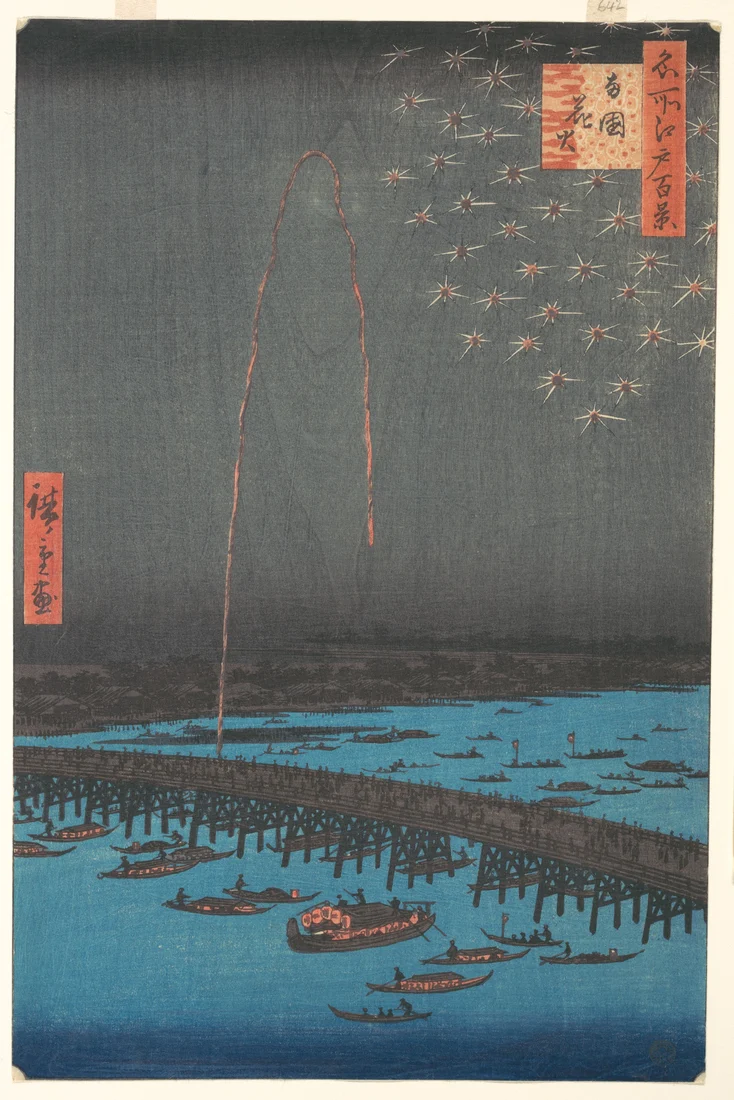 Utagawa Hiroshige
Fireworks at Ryogoku Bridge, 1858
from 399 kr
-
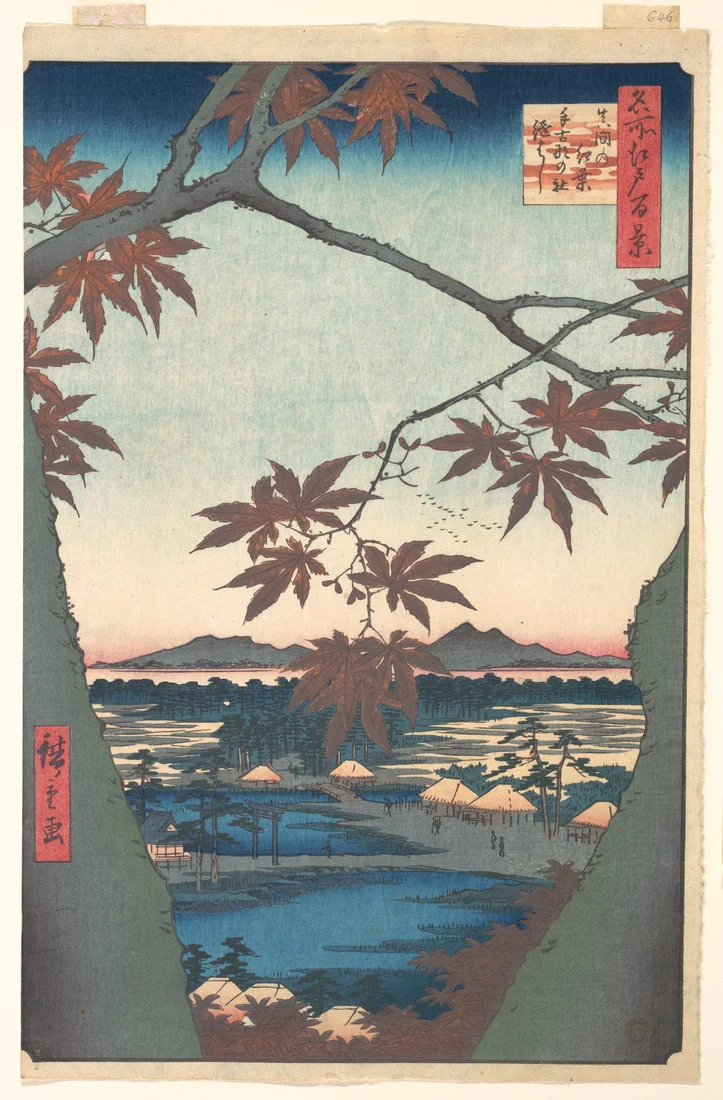 Utagawa Hiroshige
Maples at Mama, ca. 1857
from 399 kr
Our ukiyo-e collection starts with Hiroshige's One Hundred Famous Views of Edo and will grow with more masters of the form. Every print is made from a museum scan of an original impression, so the soft paper texture, the grain of the block and the colour of the old pigments come through.
Ukiyo-e works best where there is some calm around it: a pale wall, natural wood, linen. A pair of vertical 50×70 cm prints fits above most beds and sideboards.
Questions
What does ukiyo-e mean?
Ukiyo-e means 'pictures of the floating world', a term for the pleasures and scenery of city life in Edo-period Japan.
How do I avoid a themed look?
Choose one or two prints rather than a wall full, and mix them with modern furniture and plain textiles. Our guide to decorating with Japanese art explains more.